Zero-click search is changing the way people discover information online, and the impact on digital marketing is hard to ignore. Search results now answer many questions directly on the results page, which means users often get what they need without clicking through to a website. This shift is transforming SEO, content strategy, brand communication, and paid media planning at the same time. For marketers, it creates both a challenge and an opportunity.
In the past, the goal of search engine optimization was simple: rank high, attract clicks, and convert traffic. That model still matters, but it is no longer enough on its own. Today, search engines increasingly deliver instant answers through featured snippets, knowledge panels, local packs, map results, People Also Ask boxes, AI-generated summaries, and other rich results. These zero-click search features can reduce website visits. They can also increase brand visibility in ways that are less obvious but highly valuable.
What Zero-Click Search Means for Digital Marketing
Zero-click search refers to search engine results pages that satisfy the user’s query without requiring a click to another website. The rise of zero-click searches is especially visible on mobile devices, voice assistants, and AI-powered search experiences. Users want speed. Search engines want relevance. The result is an environment where immediate answers often win.
For digital marketing teams, this changes the role of organic search. SEO is no longer only about driving traffic. It is also about owning the answer, shaping brand perception, and appearing in the moments that matter most. This means marketers must optimize for visibility across multiple search features, not just traditional blue links.
Zero-click search can affect:
Why Zero-Click Search Is Growing Fast
Several forces are driving the growth of zero-click search. Search engines are under pressure to improve user experience. Faster answers mean better satisfaction. At the same time, mobile usage continues to dominate. Smaller screens naturally favor concise, direct results.
Artificial intelligence is also accelerating the trend. Search engines are becoming more conversational and more predictive. They can summarize, compare, and contextualize information in real time. That makes them powerful, but it also means fewer users need to leave the search page to get basic information.
There is also a commercial reason behind the shift. Search engines benefit when users stay on their platforms longer. Features like maps, shopping ads, featured snippets, and knowledge panels help keep attention inside the search ecosystem. Marketers need to understand this reality and adapt accordingly.
The Impact on SEO Strategy and Organic Visibility
Zero-click search does not make SEO less important. It makes SEO more strategic. Ranking first is no longer the only objective. Winning visibility in a featured snippet or local pack can be just as important, even if the user never clicks immediately.
This is where search intent becomes critical. Informational queries often trigger zero-click results, especially for definitions, statistics, quick answers, and how-to questions. Transactional and commercial queries still drive more clicks, but even those searches are changing. Product comparison tables, shopping carousels, and AI summaries can influence purchase decisions before the user visits a site.
To stay competitive, brands need to optimize for search visibility at every stage of the funnel. That includes:
SEO teams must also monitor changes in impressions, ranking features, and click-through rates separately. A page may lose traffic but gain visibility. That is not always a failure. In a zero-click environment, visibility itself can be a performance metric.
How Brand Communication Must Evolve
Zero-click search is reshaping brand communication strategies because search engines are now a key part of the brand experience. When users see a brand name, review rating, location, description, or answer directly in search results, that moment becomes a communication touchpoint. The message must be clear, consistent, and credible.
Brands can no longer rely only on their websites to tell their story. Search results often introduce the brand first. That means messaging across Google Business Profiles, structured data, review platforms, social profiles, press coverage, and knowledge graph entries matters more than ever.
In practical terms, brand communication now needs to answer a few key questions quickly:
If these answers are not available in the search ecosystem, competitors may shape the narrative instead. That is especially important for businesses in finance, healthcare, e-commerce, travel, SaaS, and local services, where trust and clarity influence decision-making.
Featured Snippets, AI Overviews, and the Battle for Attention
Featured snippets have long been one of the most visible zero-click search formats. They often answer a query in a short paragraph, list, table, or definition extracted from a webpage. More recently, AI-generated overviews have expanded the amount of information visible directly in search results.
This has created a new kind of competition. Brands are not only trying to rank. They are trying to be selected as the source of the answer. That requires content that is precise, well-structured, and genuinely helpful.
To improve the chance of being featured, marketers should focus on:
Long-form content still matters. But it must be organized in a way that makes extraction easy for search engines. A strong paragraph opening, a direct answer, and supporting detail below can improve both user experience and snippet potential.
The Role of Local SEO in a Zero-Click World
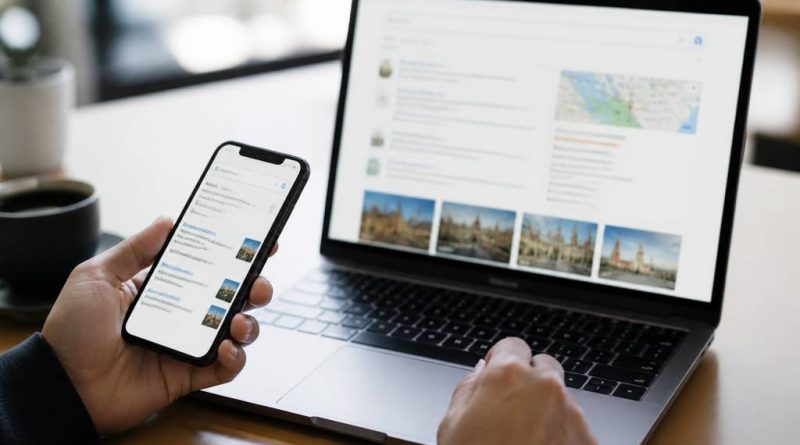
Local businesses are among the most affected by zero-click search. Searchers often look for hours, phone numbers, directions, reviews, and service details directly in search results. For restaurants, clinics, salons, agencies, and retailers, this can be a major source of customer acquisition.
Google Business Profile optimization has become essential. Accurate business information, high-quality images, review management, category selection, and consistent local listings all influence zero-click visibility. In many cases, the search result itself is the storefront.
That means local brand communication must be current and complete. An outdated phone number or unclear service description can cost a lead before a website is even visited. Local SEO is no longer just about ranking in maps. It is about presenting a trustworthy and actionable presence in the search results.
Content Marketing in the Age of Zero-Click Search
Content marketing still drives authority, but its purpose is expanding. Articles, guides, FAQs, and resource pages now serve multiple functions. They educate users. They provide material for snippets. They support topical authority. They influence brand perception before a click ever happens.
Successful content strategies in a zero-click environment often include:
The goal is not to publish more content for its own sake. It is to create content that search engines can understand and users can trust. When that happens, a page can support visibility, awareness, and conversion even if the first interaction is zero-click.
Paid Media and the New Search Landscape
Zero-click search also affects paid media strategy. When organic clicks decline for certain queries, competition increases in paid search results and shopping placements. Marketers may need to shift budgets toward high-intent keywords, branded terms, local ads, or product-focused campaigns.
At the same time, paid and organic teams should work more closely together. Search performance should be viewed as a full-funnel system. Brand awareness may begin in a snippet, continue through a paid ad, and finish on a landing page later. Attribution has become more complex, not less important.
This is why marketers need to track more than last-click conversions. Impressions, assisted conversions, branded search lift, local visibility, and SERP feature presence all help explain how zero-click exposure contributes to business outcomes.
How Brands Can Adapt Their Search and Communication Strategy
Adapting to zero-click search requires a broader mindset. Brands should treat search engines as communication channels, not just traffic sources. That means investing in content quality, structured data, reputation management, and digital PR together.
Some practical steps include:
Brands that adapt quickly can turn zero-click search into an advantage. Instead of viewing it as lost traffic, they can use it to gain presence, authority, and trust at scale. That visibility can influence future clicks, conversions, and customer loyalty.
Zero-Click Search and the Future of Digital Marketing
The future of digital marketing will likely be defined by how well brands balance visibility and conversion in a fragmented search environment. Zero-click search is not a passing trend. It is part of a larger shift toward instant answers, AI-driven discovery, and platform-controlled experiences.
For marketers, this means success will depend on adaptability. The brands that win will be the ones that understand search intent, build content for both humans and machines, and communicate clearly across every search touchpoint. Organic traffic will still matter. But brand presence in search results may matter even more.
In a world where the search page itself is becoming the destination, digital marketing and brand communication must work together more closely than ever. The challenge is real. So is the opportunity.